This research explores the island of Seriphos as a former mining landscape within the Cyclades, where geology, industrial activity, and settlement history are deeply intertwined. Focusing on the island’s southwest mining region, it investigates the transformation of the territory through centuries of extraction and abandonment, now revealing a layered landscape shaped by both human intervention and natural reoccupation. The project proposes the reactivation of existing paths and mining traces through a network of walking routes, promoting a form of slow, sustainable tourism that reconnects the island’s industrial heritage with its natural environment.
“Mines in the Aegean can be understood as monuments primarily in the form of landscapes, as defined by international charters for the protection of cultural heritage. It is difficult to identify singular architectural value in isolated structures or in chaotic and unreadable mining formations. However, these systems, extending across multiple scales—from minimal installations to extensive landscape transformations spanning hectares or kilometres of coastline—form monumental landscapes of unprecedented scale in the Greek context. The terrain marked by human technology acquires, through this imprint, a unique identity—balanced and compelling, monumental yet integrated into the natural environment, as nature gradually returns and reclaims its space. It is notable that most irreversible damage has resulted not from natural decay but from later human interventions such as road construction, unregulated building, material looting, and inappropriate reuse of industrial structures.”
Excerpt from Mines in the Aegean: Industrial Archaeology in Greece, 2009, edited by Nikos Belavilas, Leda Papastefanaki, Melissa Publishers
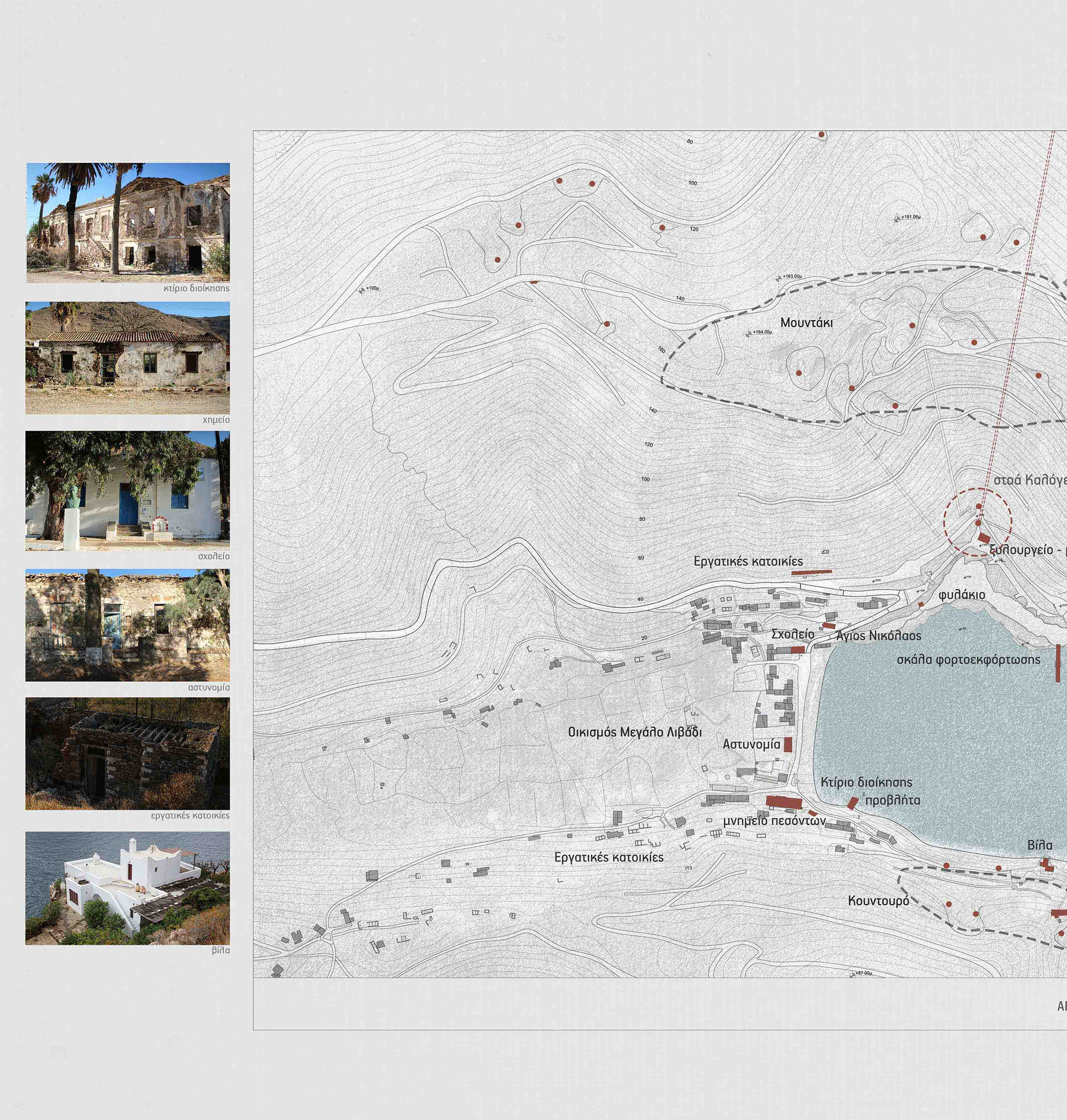
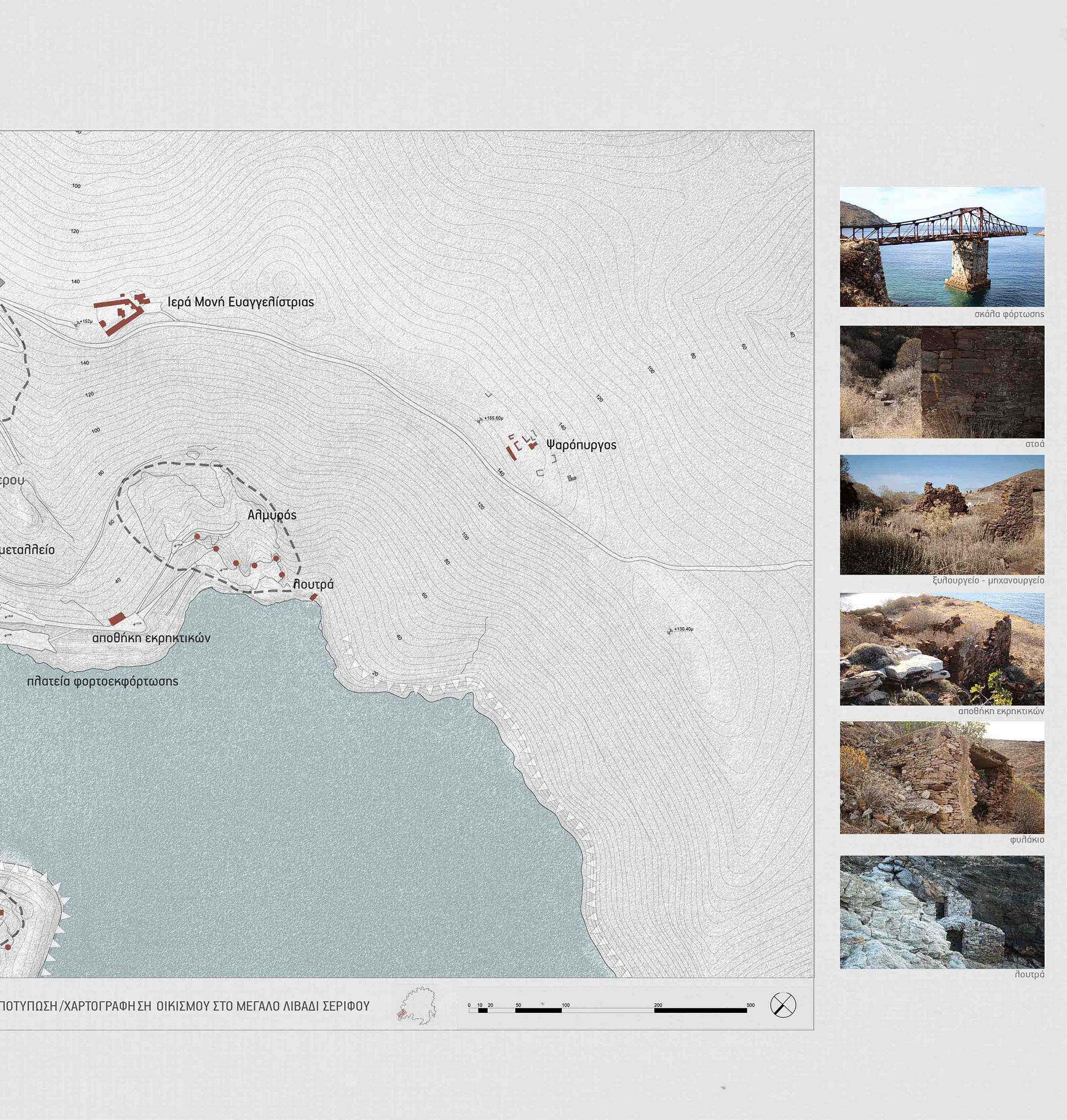
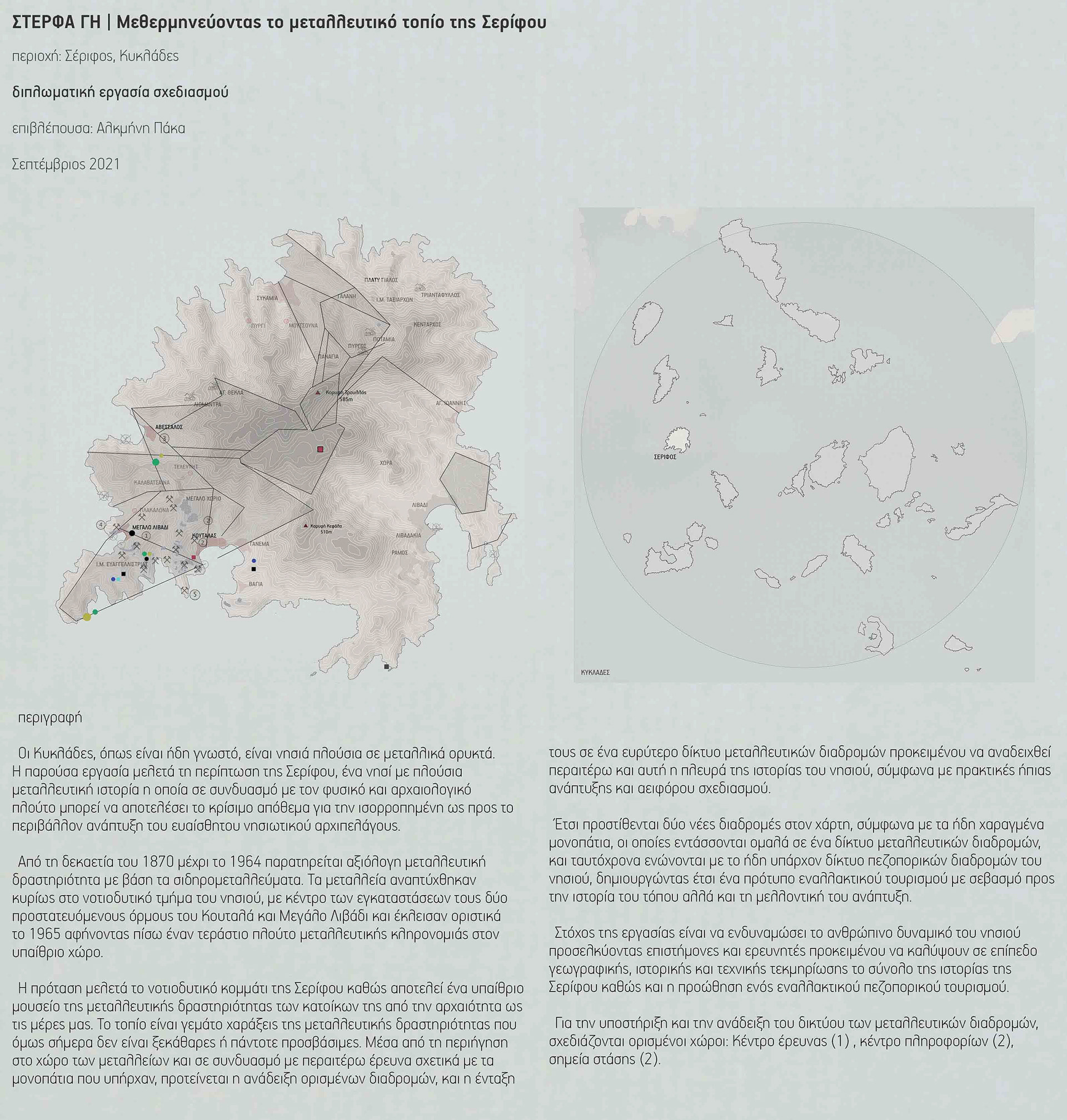
This study focuses on the southwestern part of Serifos, where mining activity was historically concentrated. The area itself functions as an open-air museum of the island’s mining history, spanning from antiquity to the present day. The inland terrain is marked by excavation tunnels following mineral veins, while the bays were transformed into loading stations for ore export. The social and economic history of this small territory remains inseparably linked to its mining activity.
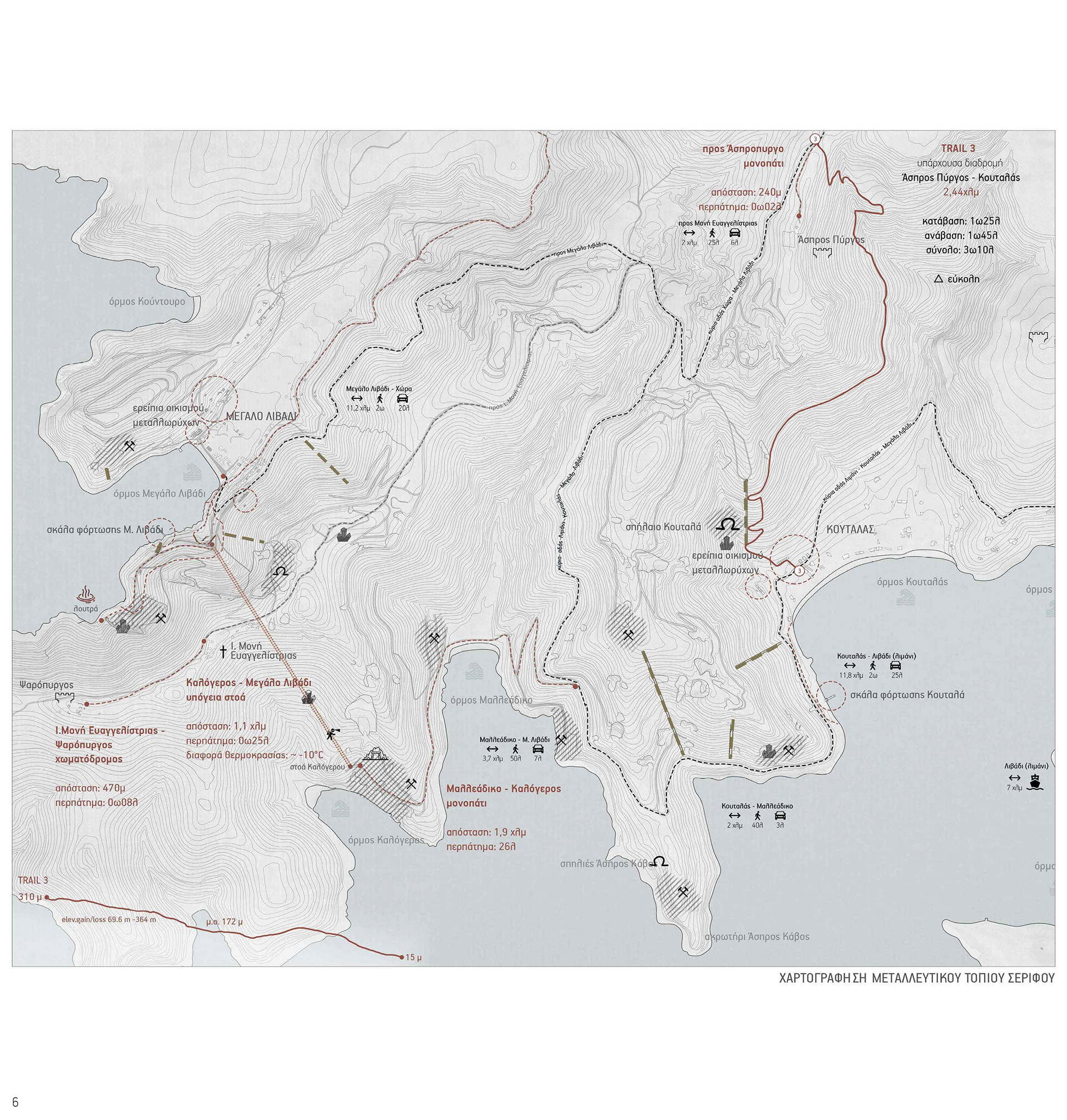
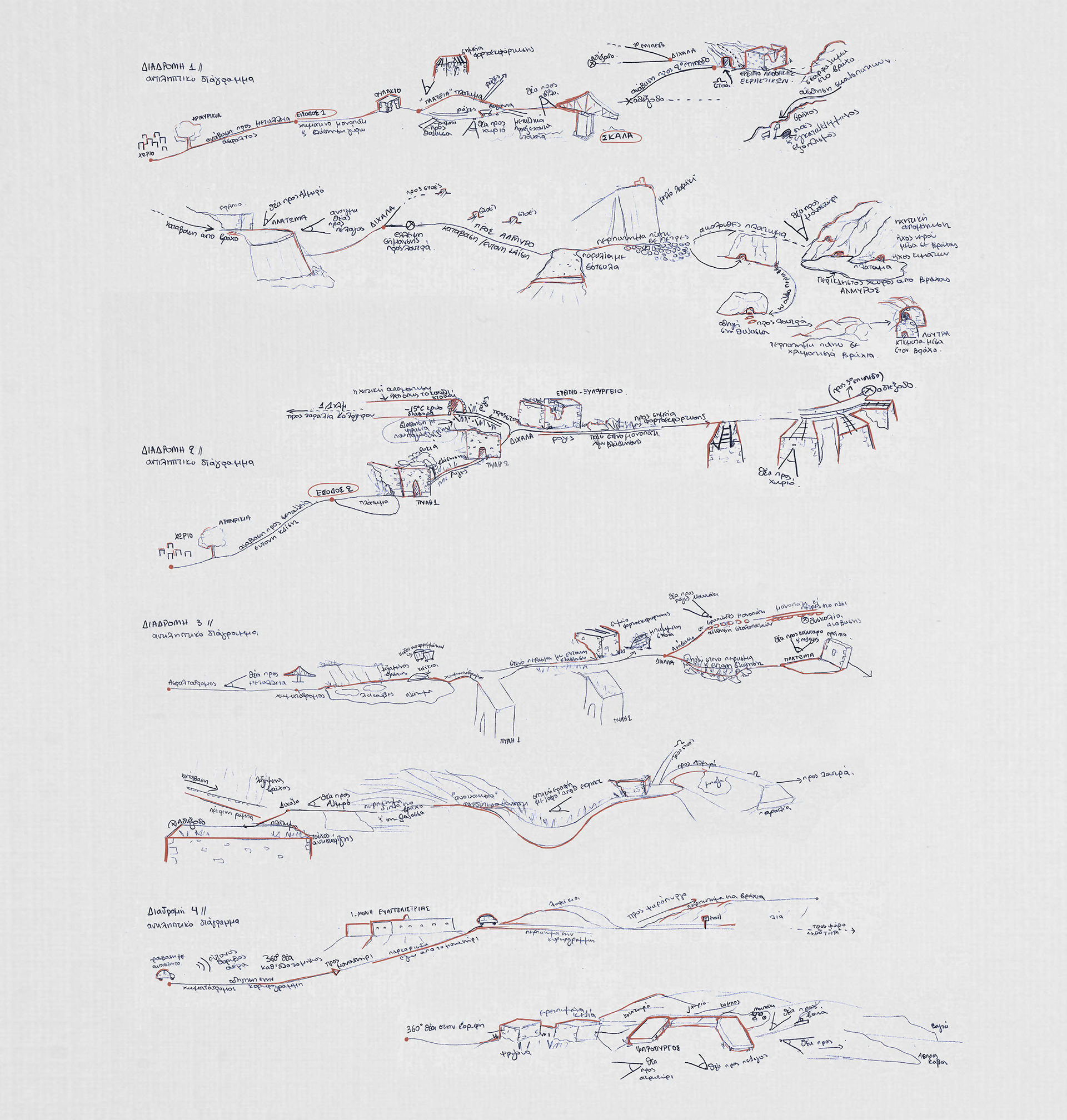
The embodied experience of the site and direct engagement with its inhabitants played a fundamental role in shaping the design concept. The landscape is filled with traces of mining activity that are now fragmented, partially erased, or no longer accessible. Through on-site exploration and further research into historical pathways, the project proposes the reactivation of selected routes and their integration into a wider network of mining trails. This aims to reveal another layer of the island’s history through principles of gentle development and sustainable design.
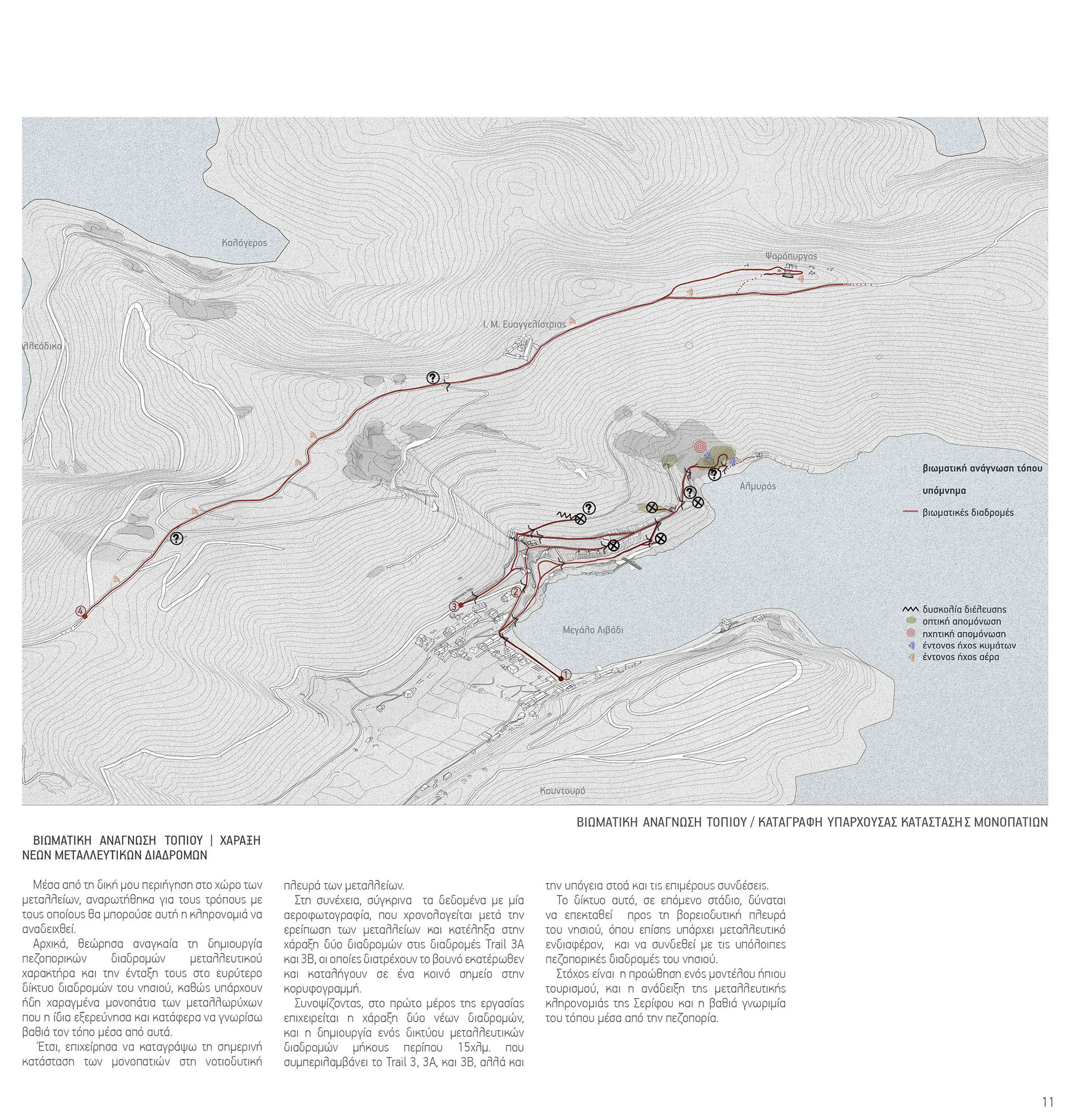
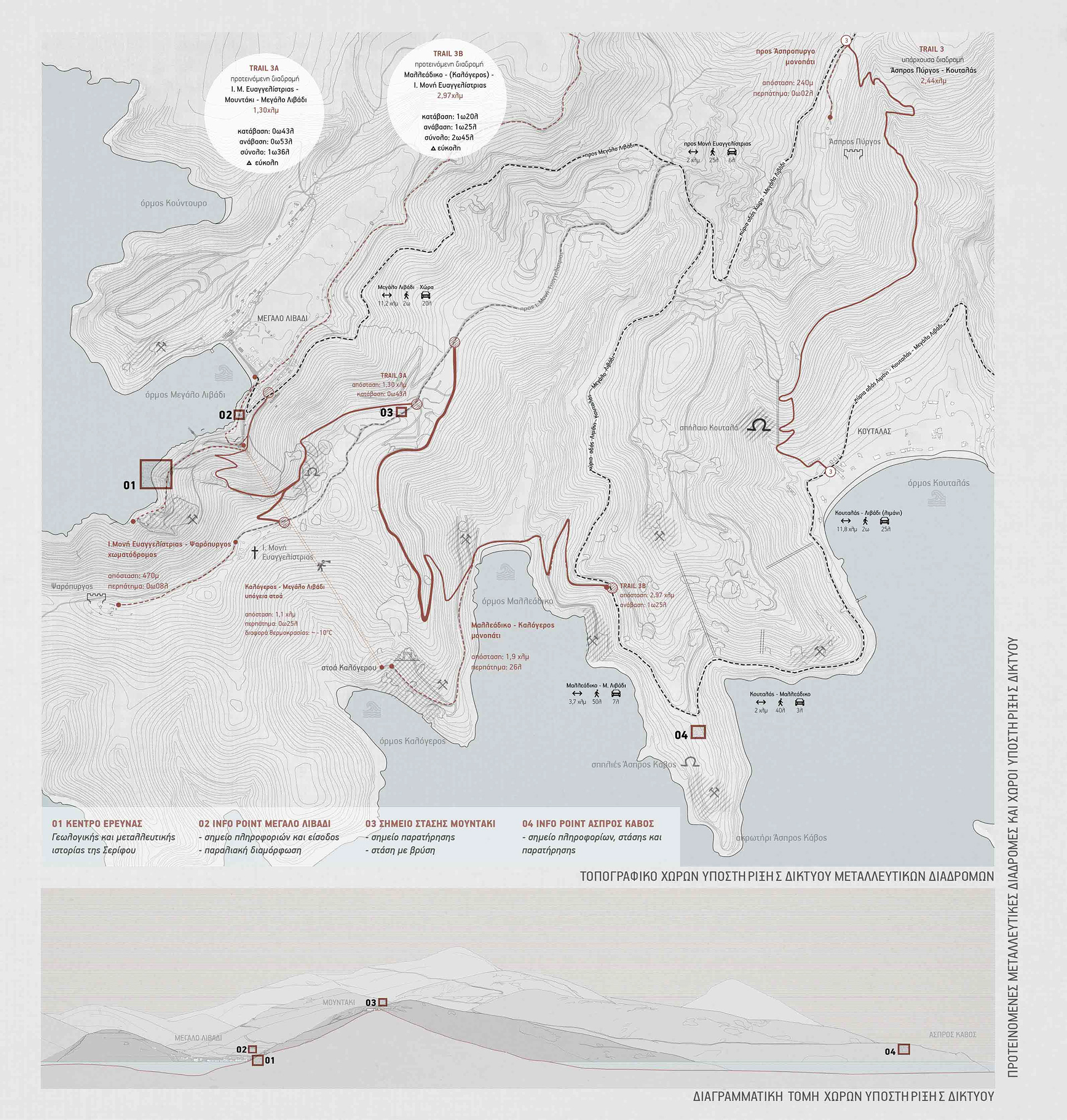
Two new routes are added to the map, aligned with existing pathways, forming part of a broader mining trail system originating at the core of the island’s extractive landscape. This network is integrated into the wider system of hiking routes on the island, establishing a model of alternative tourism that respects both historical memory and future development.
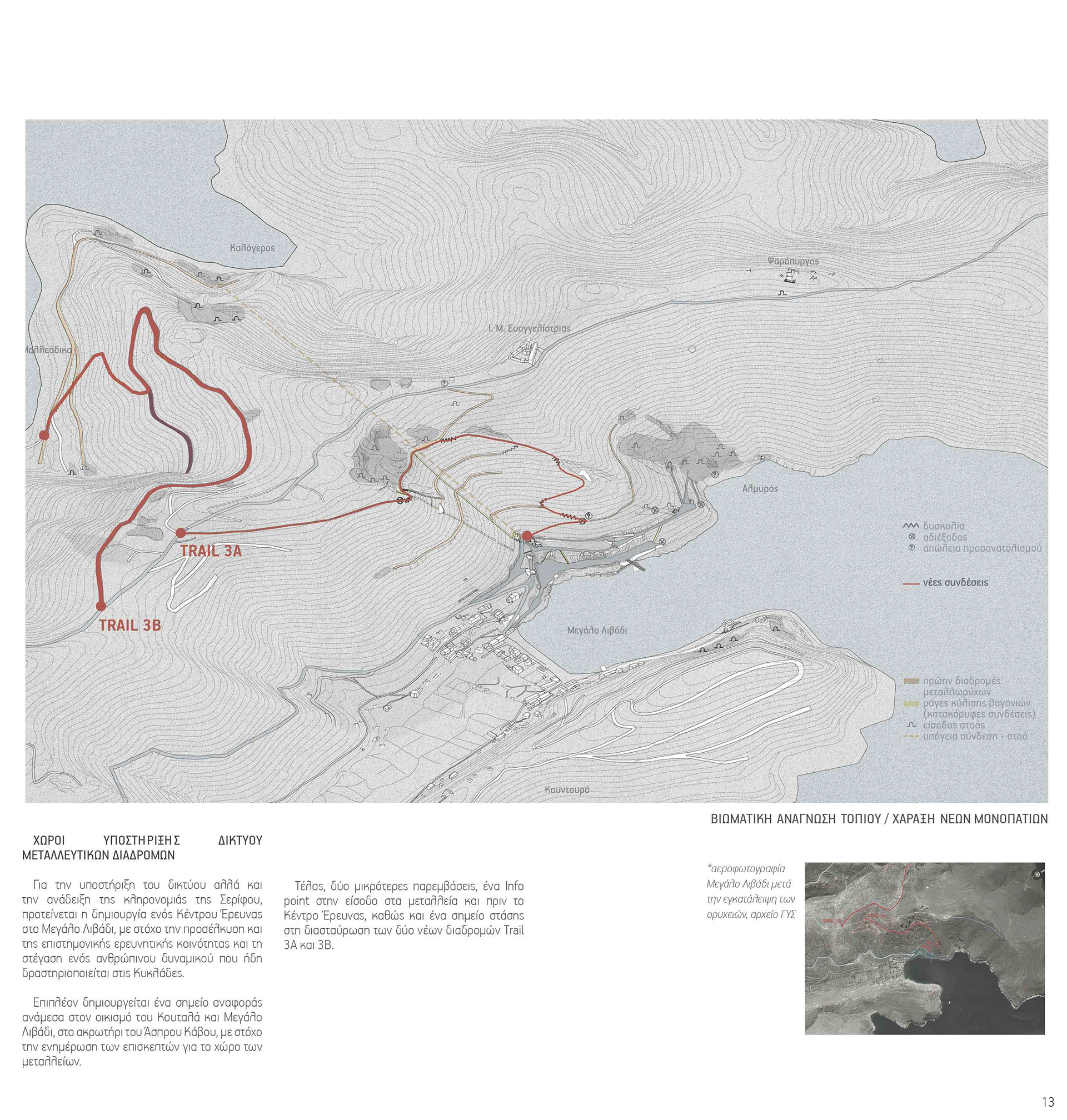
The objective is to promote alternative hiking tourism, a practice already adopted on several Cycladic islands, while simultaneously highlighting the mining heritage of the Cyclades. The project proposes linking islands with mining histories into a broader network extending as far as Lavrio, a key reference point in the industrial history of mining in Greece.
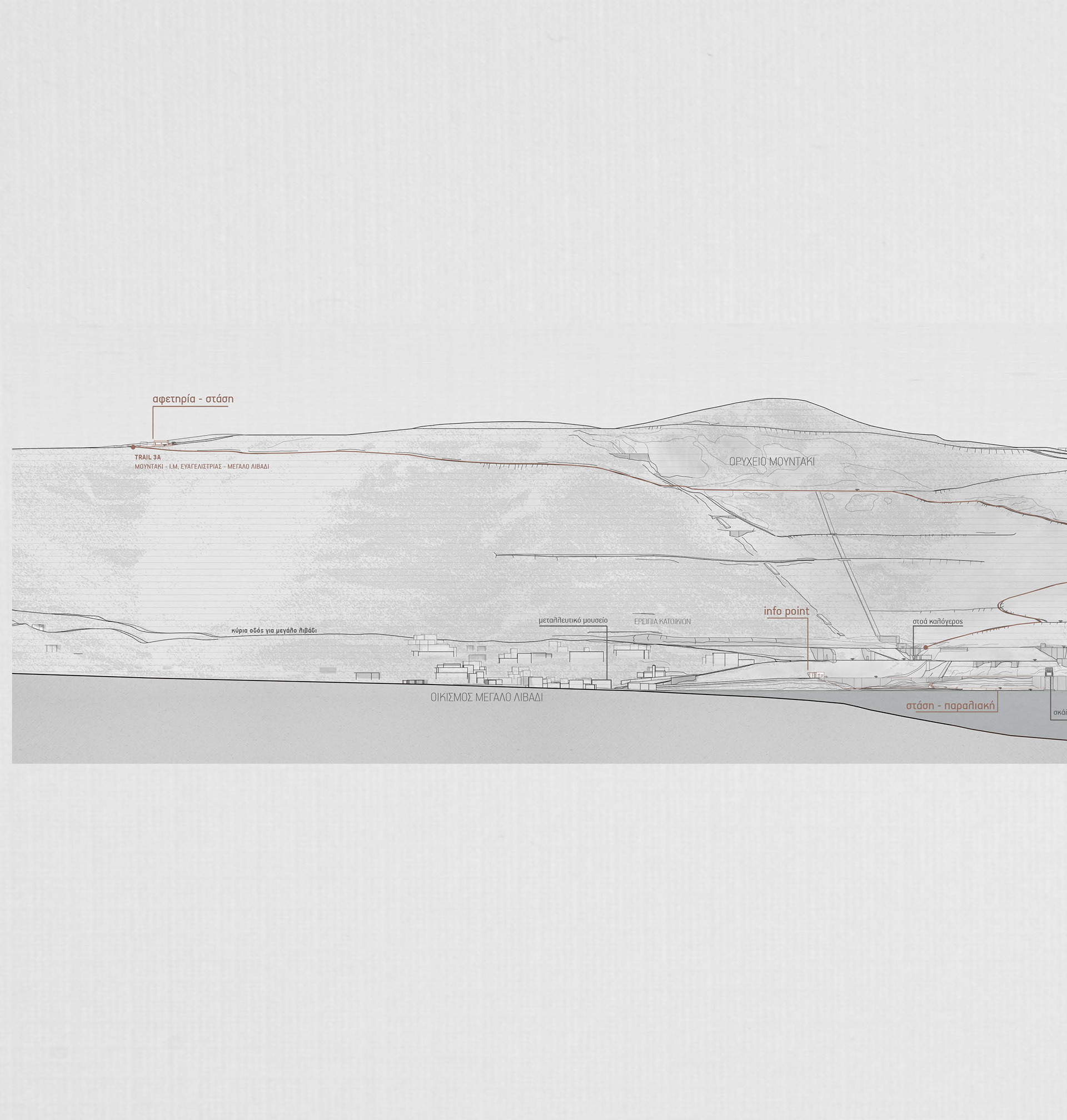
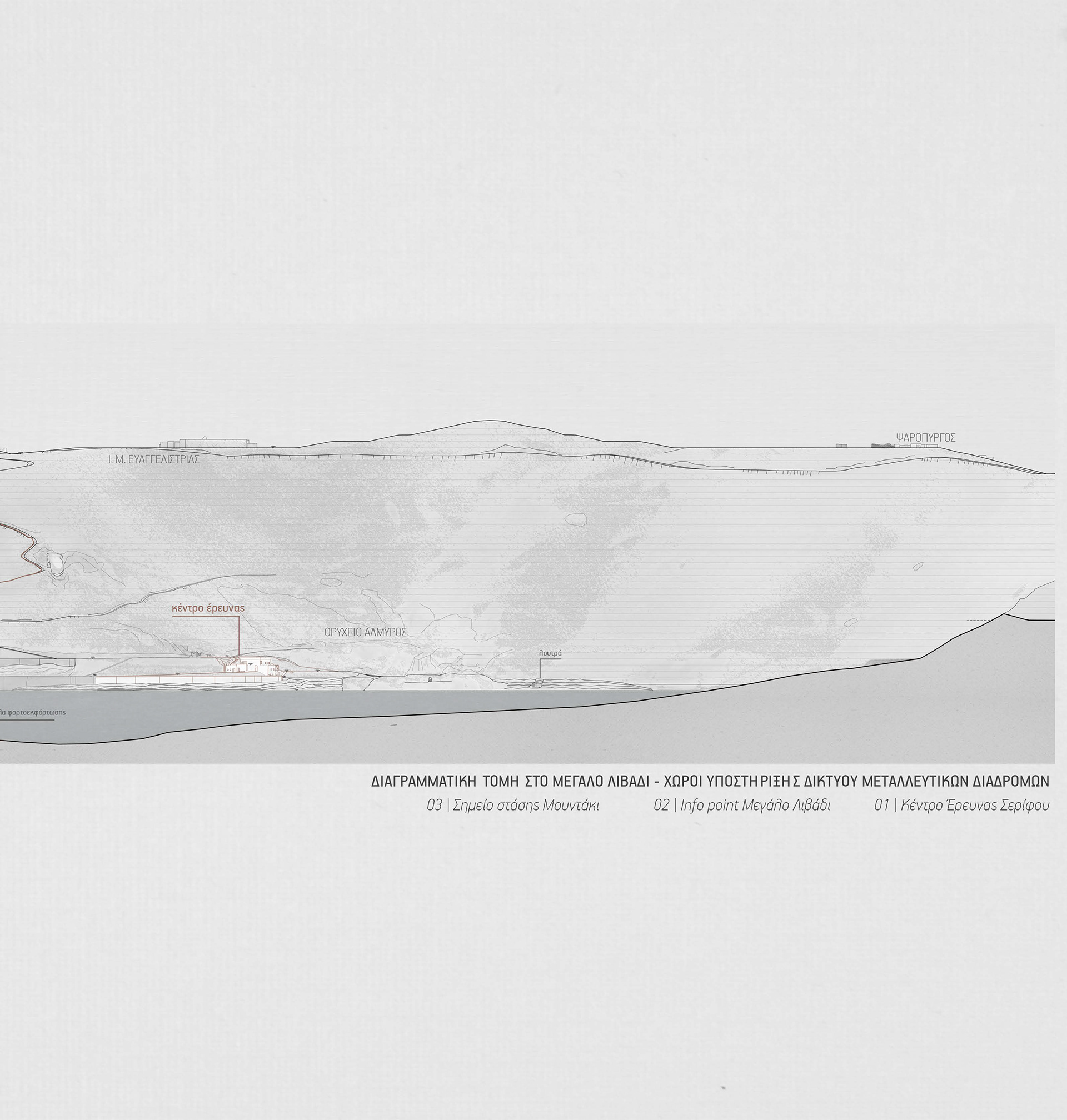
To support and enhance the mining trail network, several intervention spaces are designed:
a research center, two information centers, and resting points.
Megalo Livadi, as the largest mining centre with the most significant historical remains and contemporary activity, is selected for the development of a Research Centre for Geological, Mining, Archaeological, and Industrial History. This site combines all necessary conditions for such an initiative.
In Megalo Livadi, which has so far been preserved from uncontrolled urbanisation and poorly managed tourism development, all elements that shaped the island’s mining history and settlement evolution are still present. These include the complete set of mining infrastructures constructed between 1869 and 1875 by the Hellenic Mining Company.
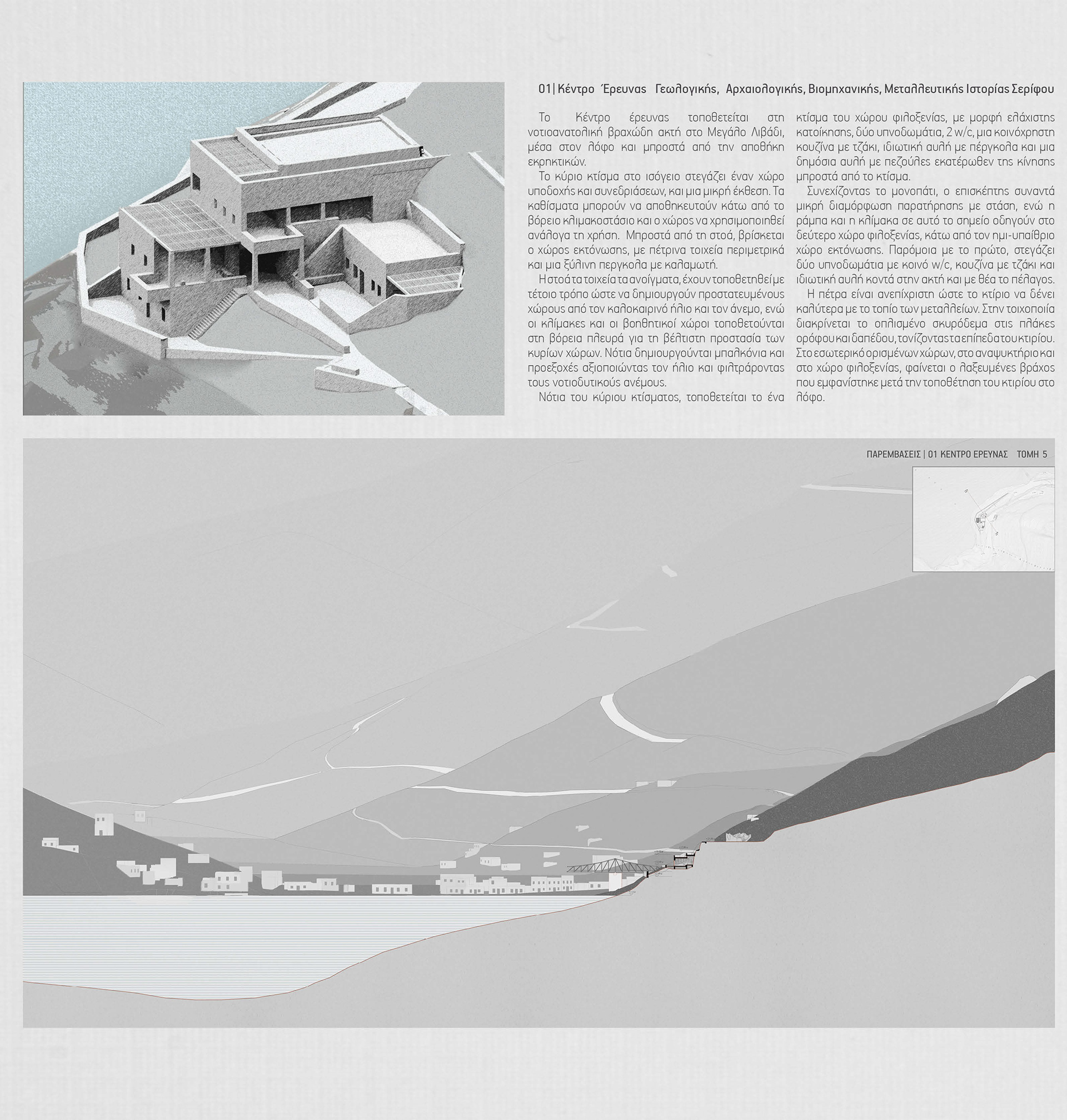
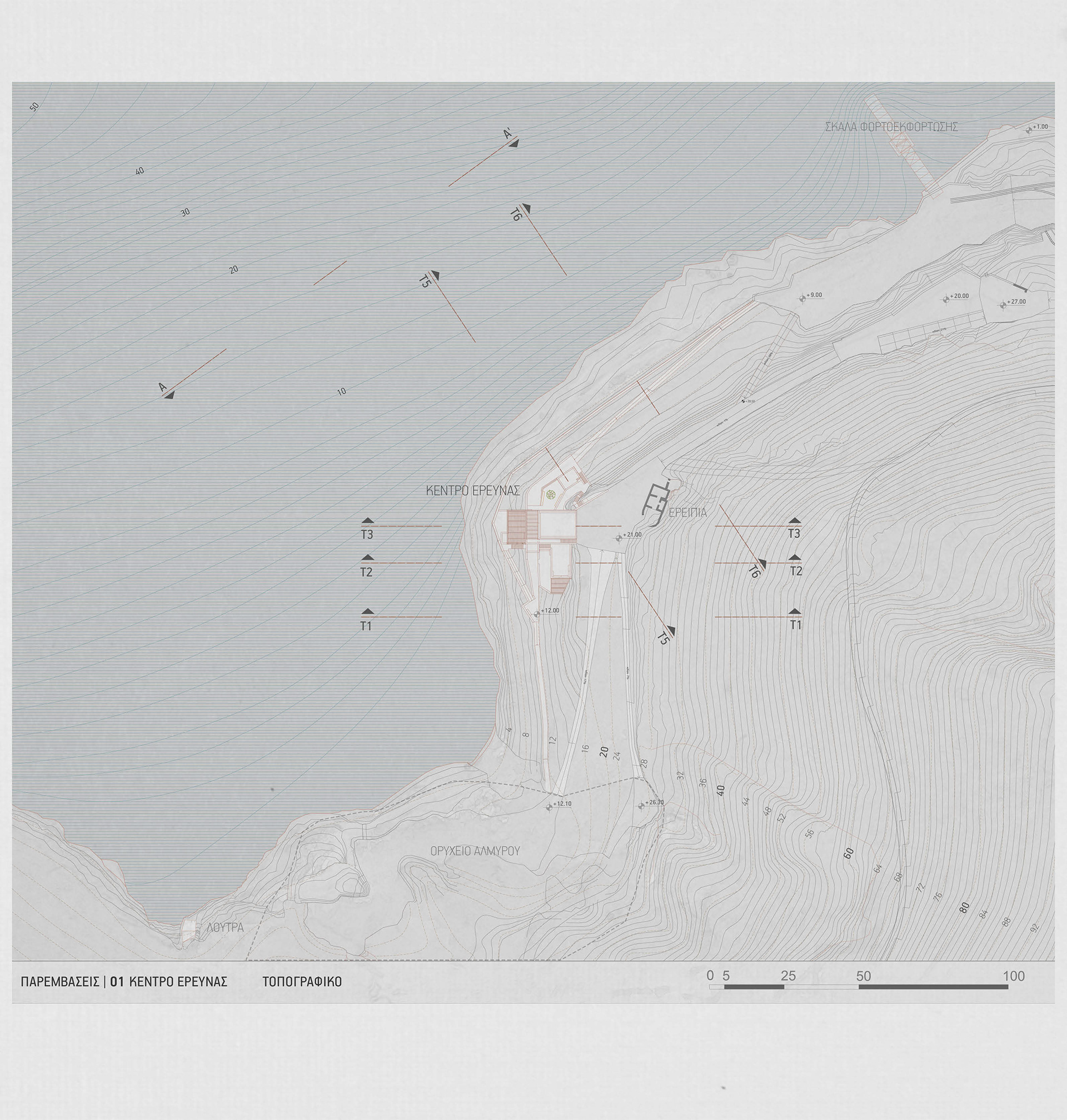
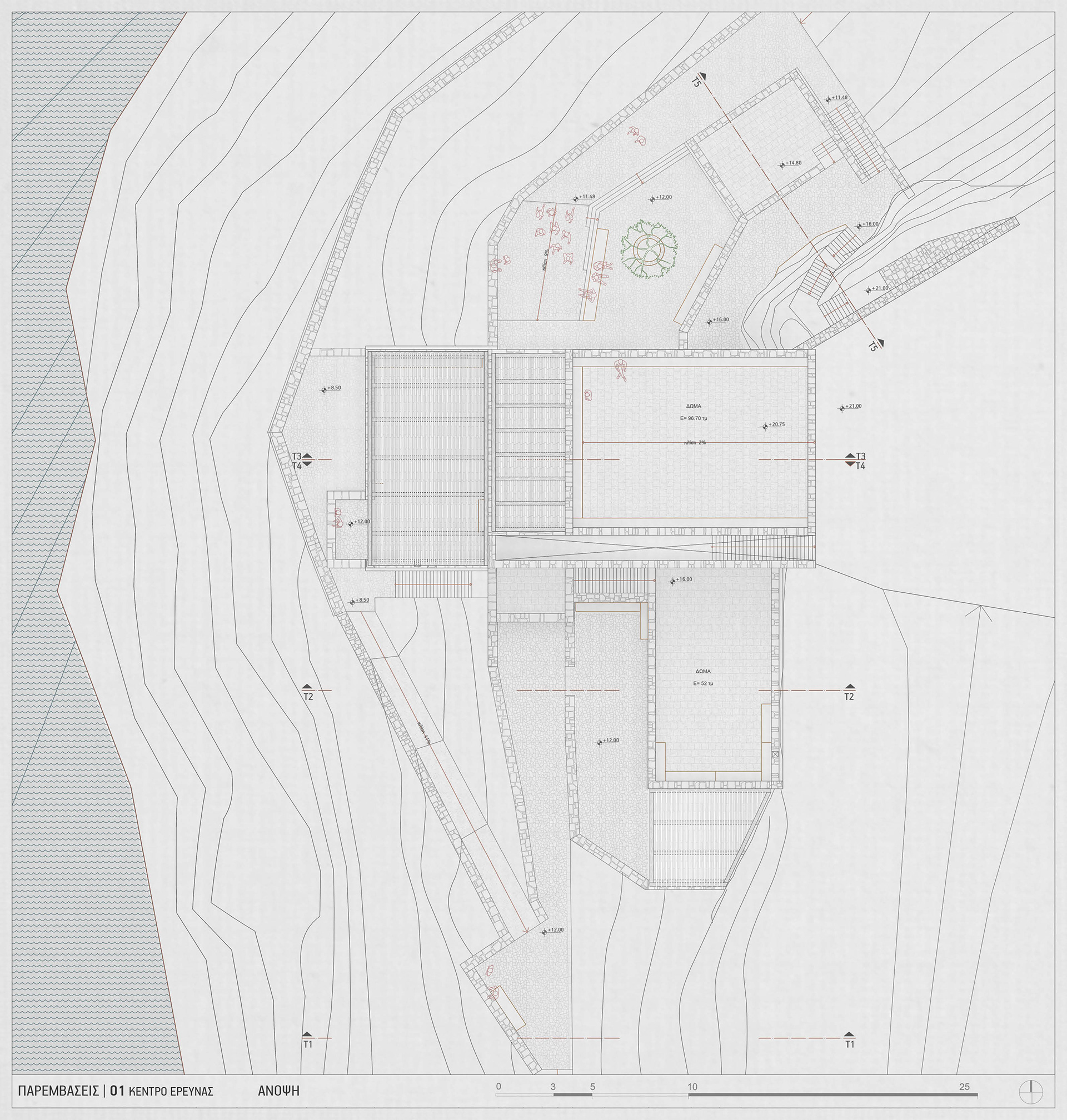
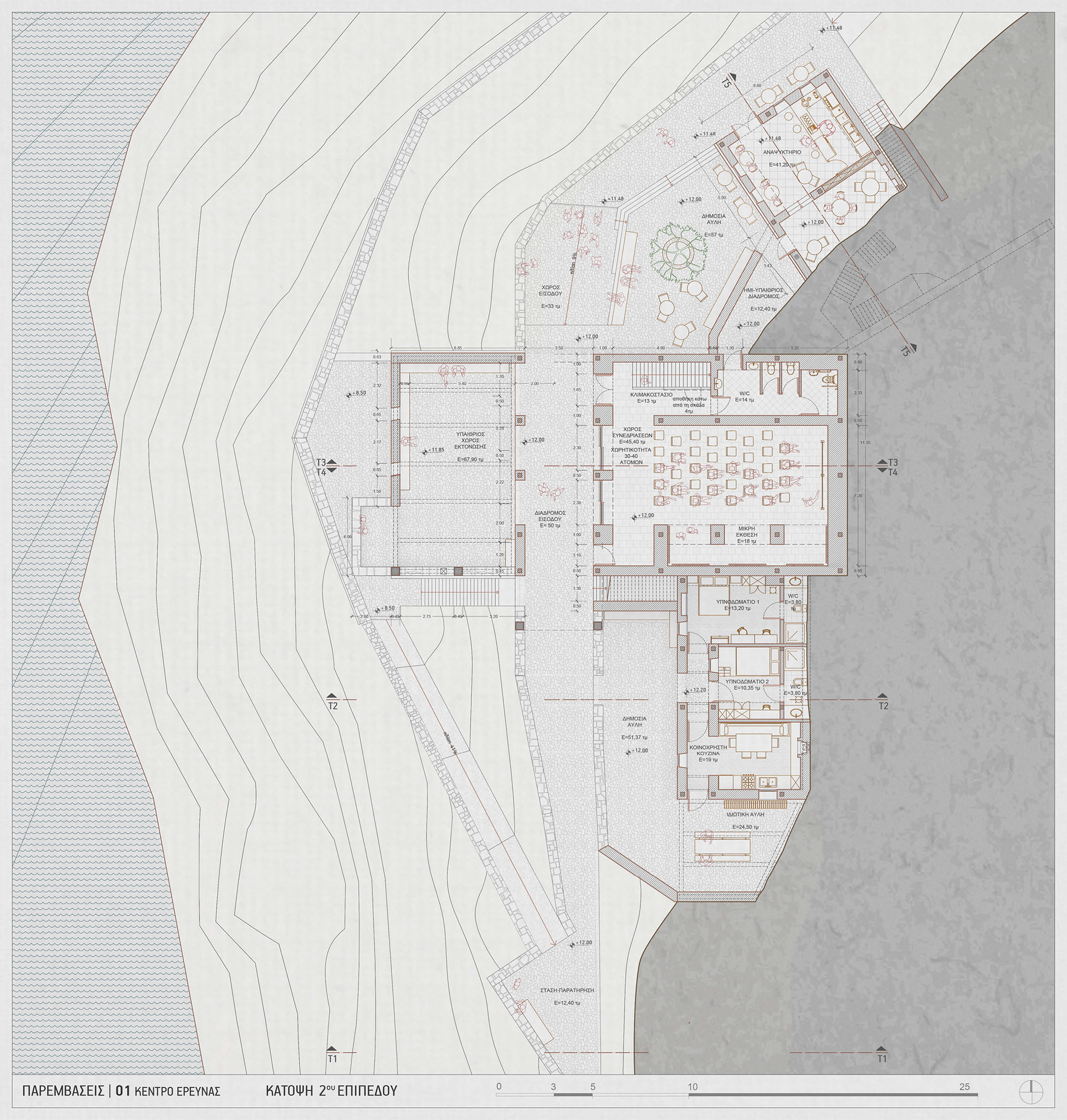
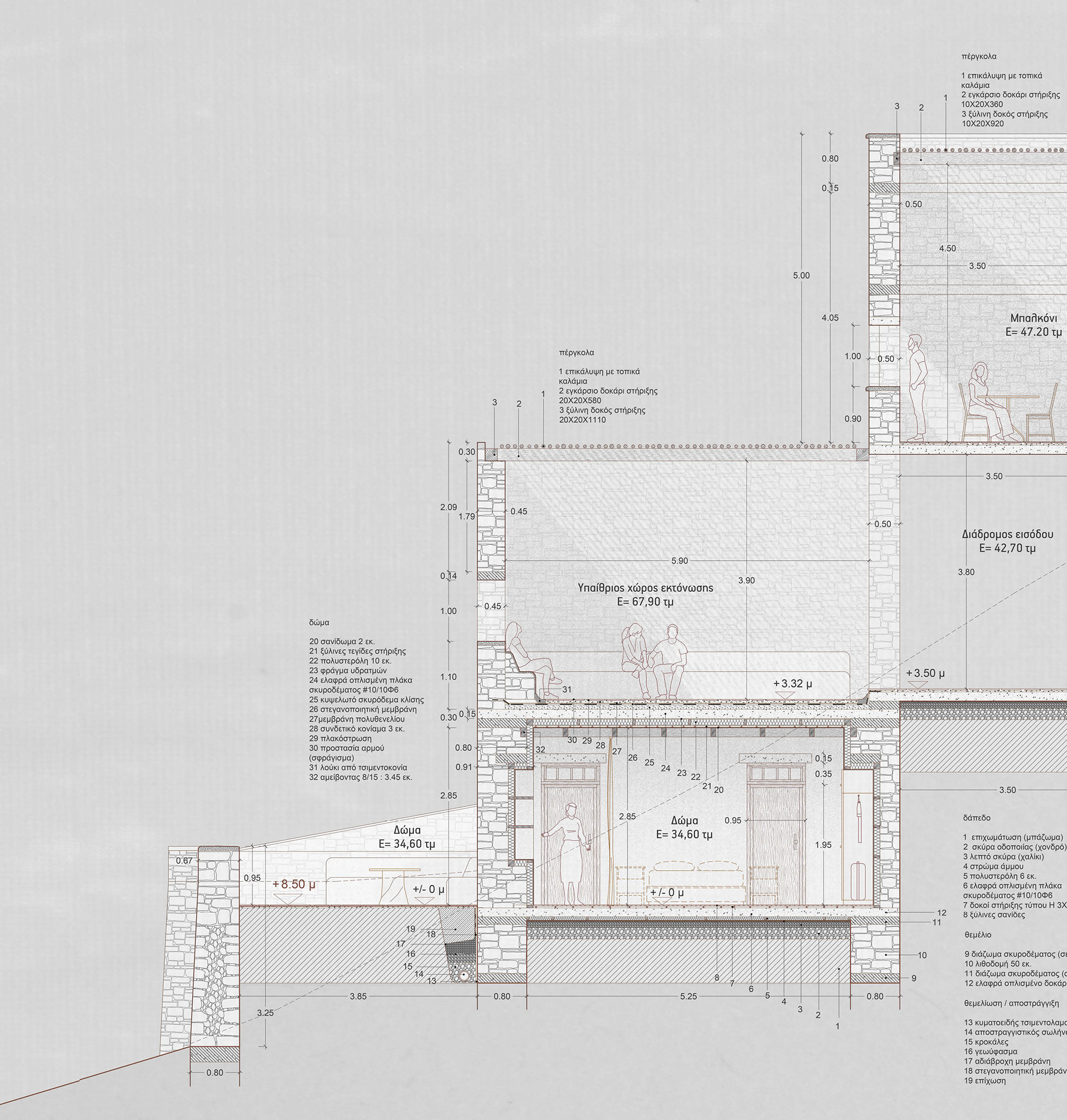
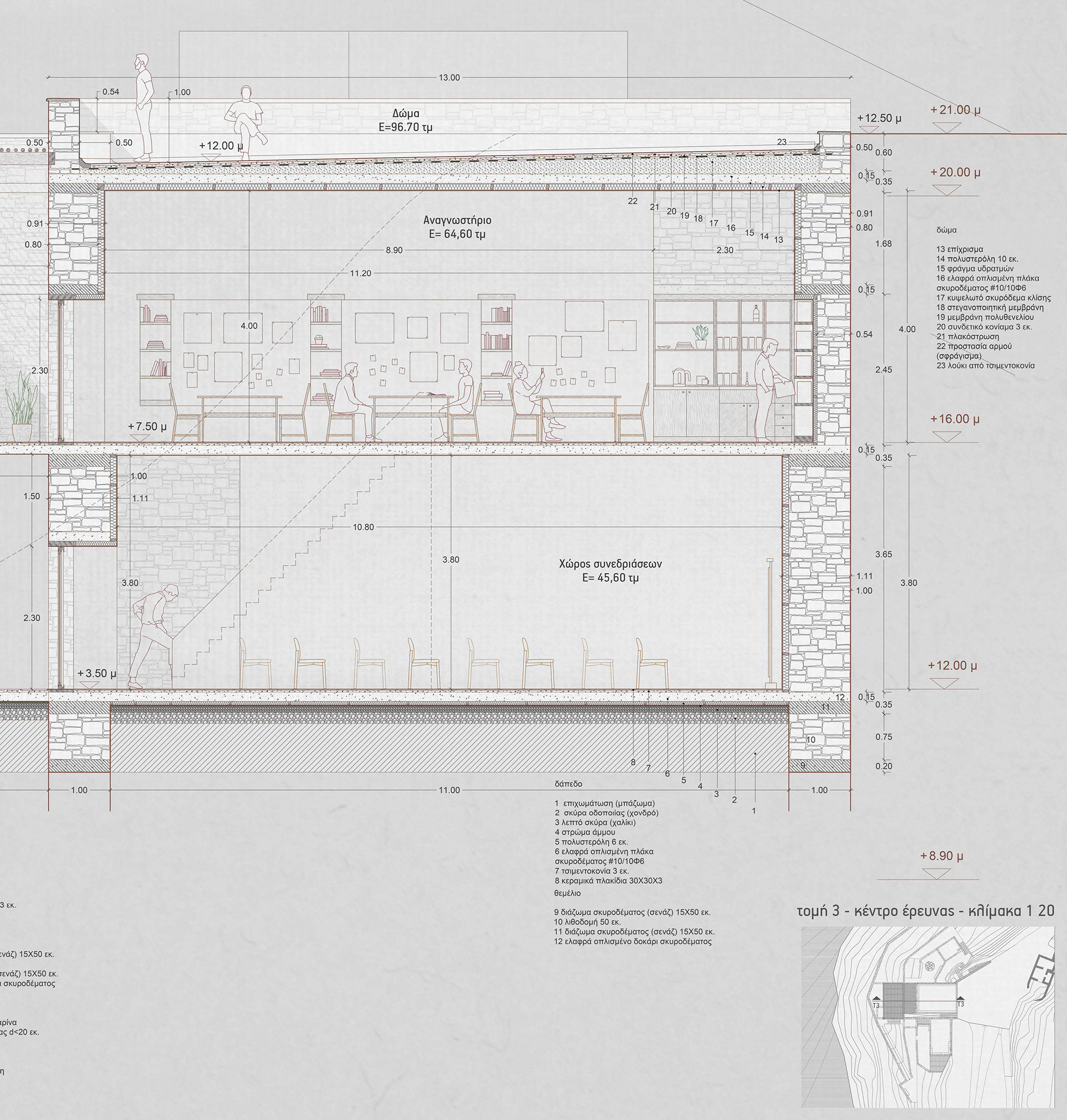
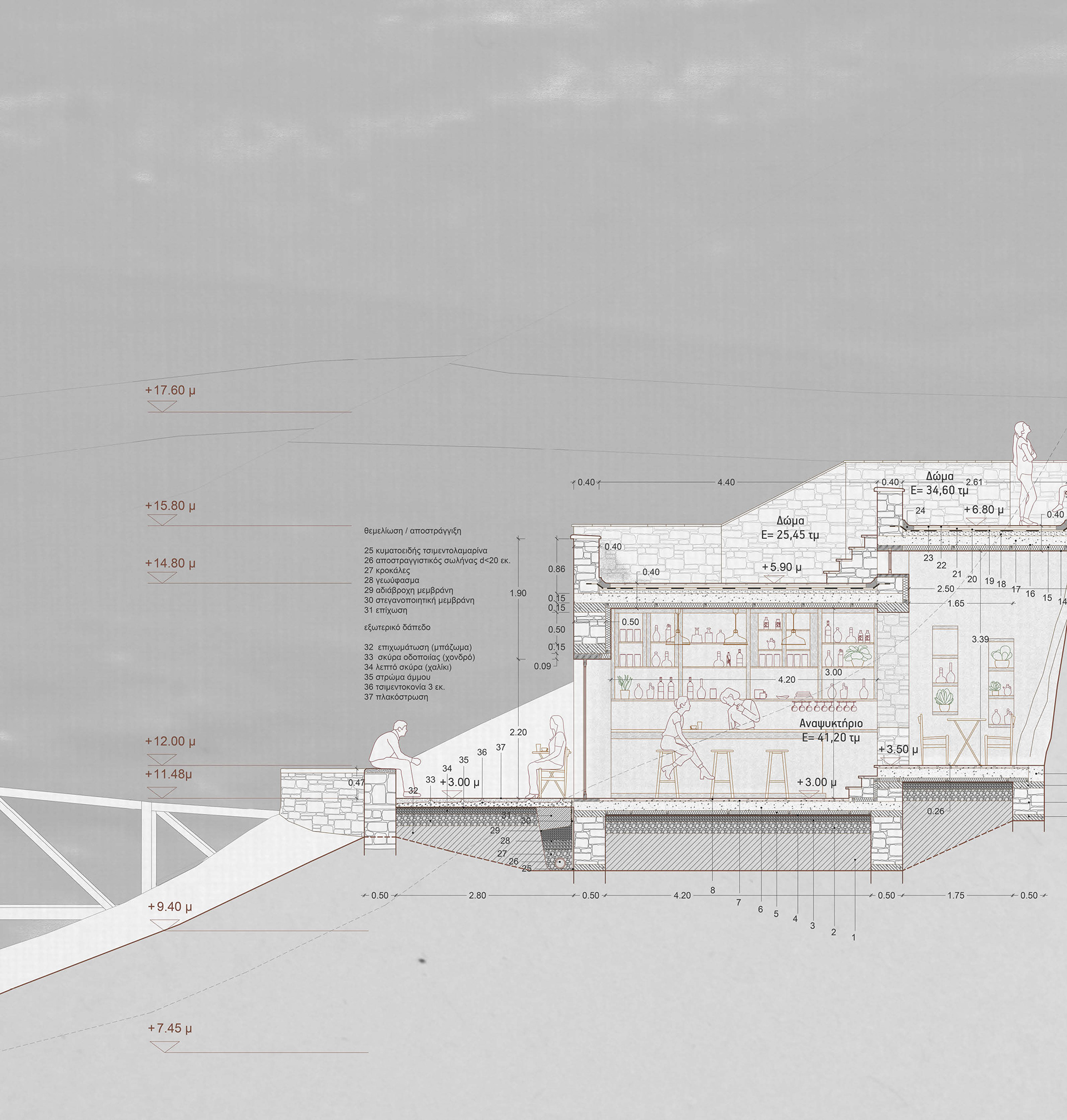
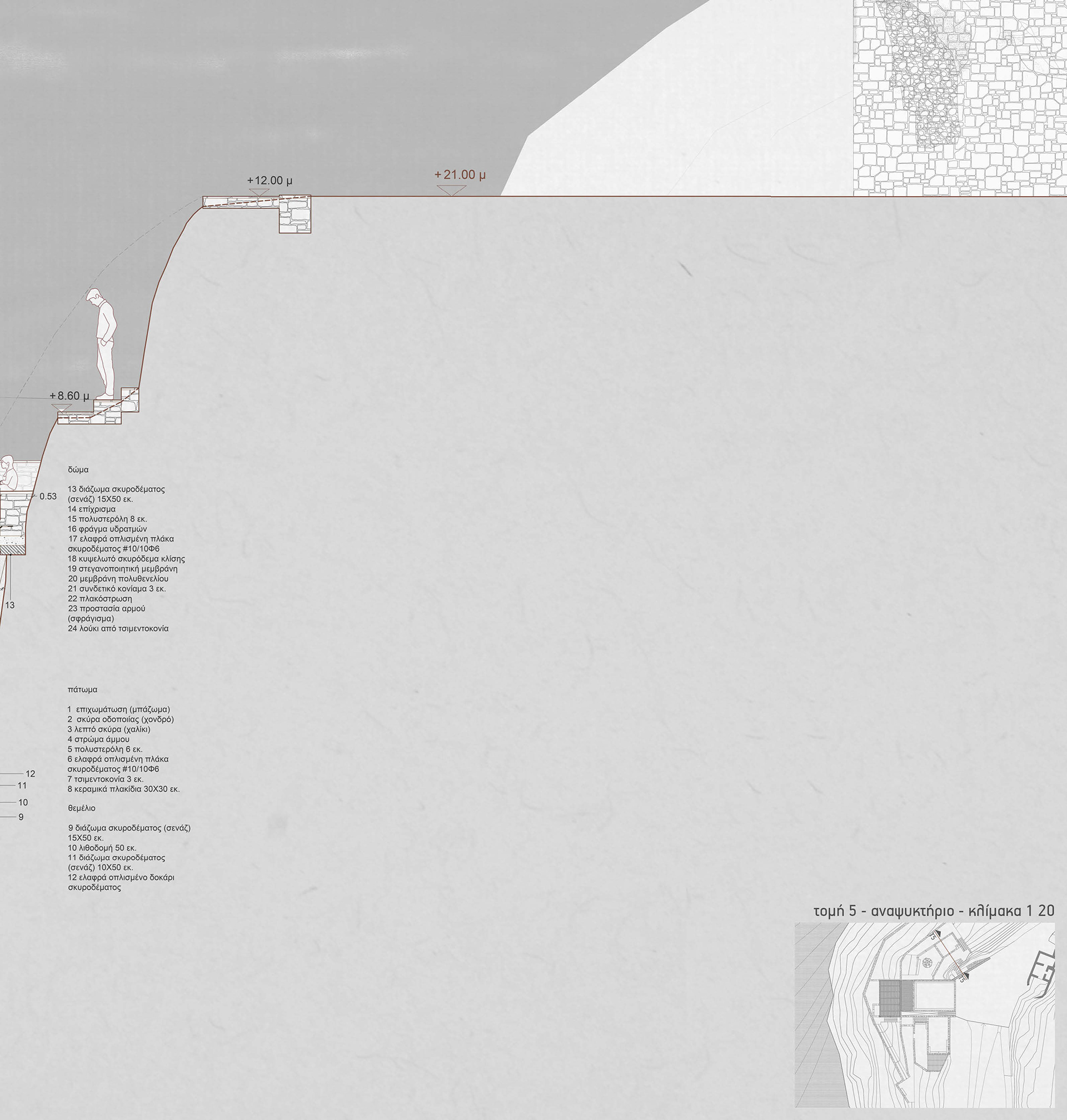
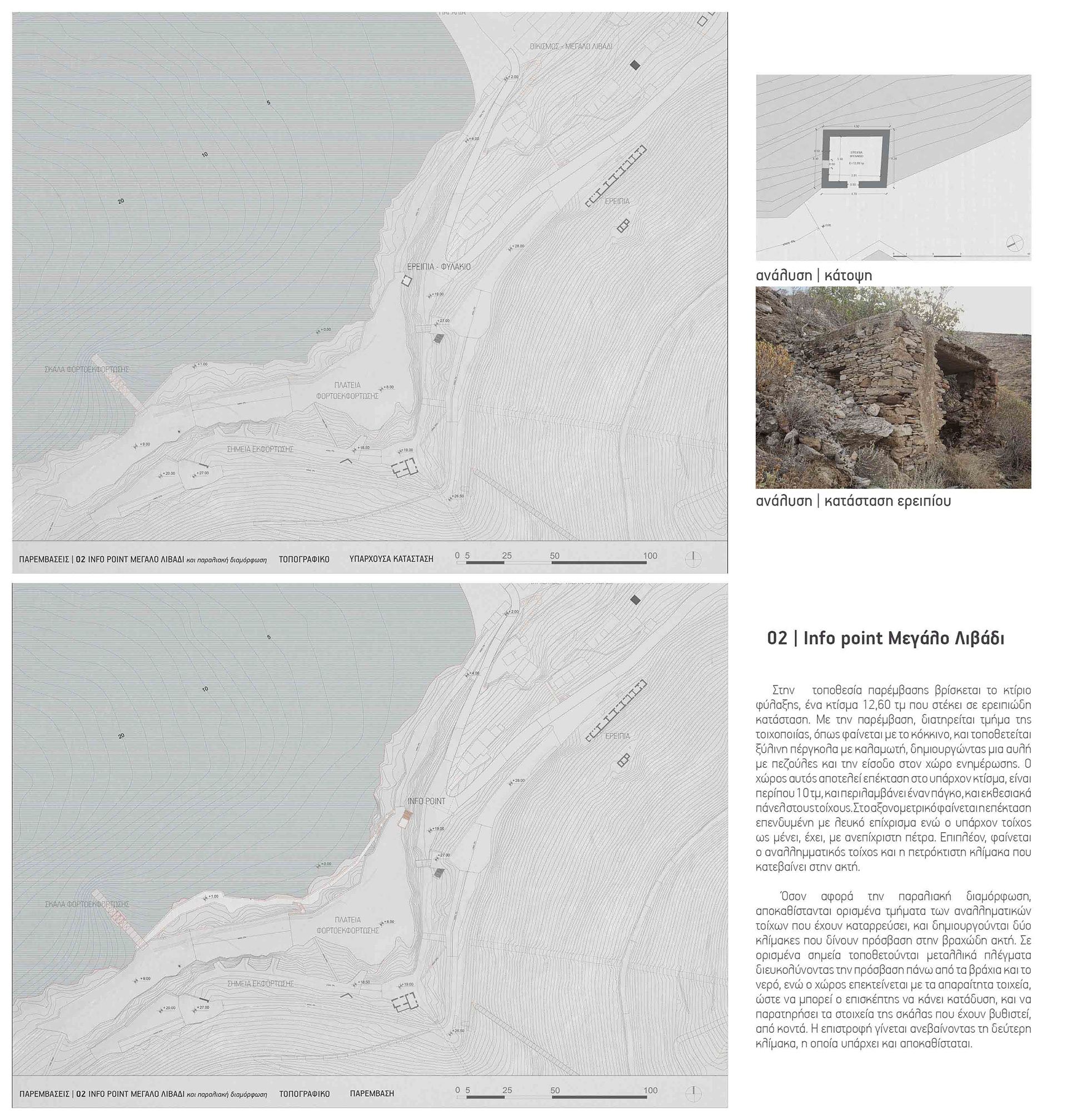
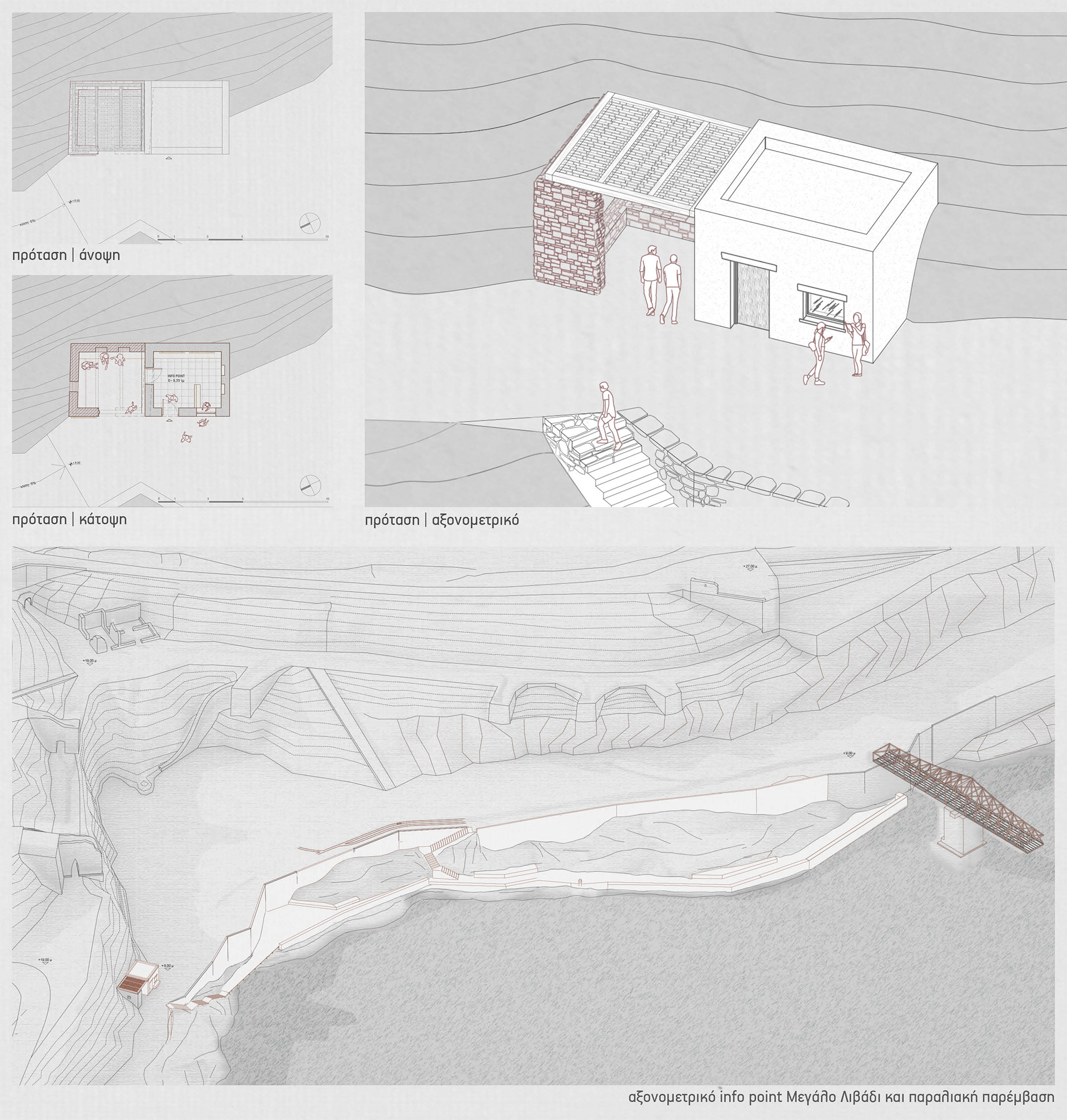
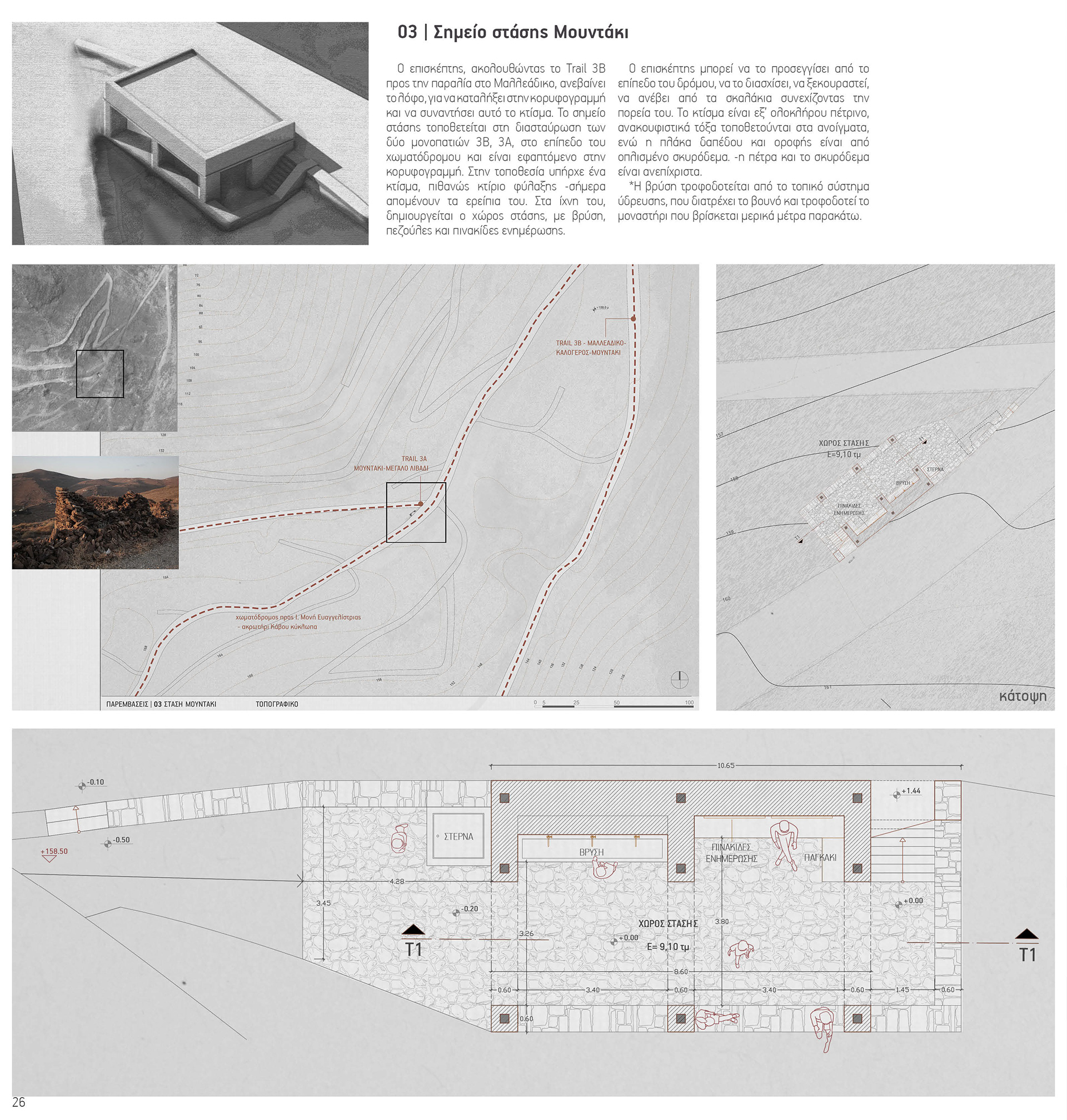
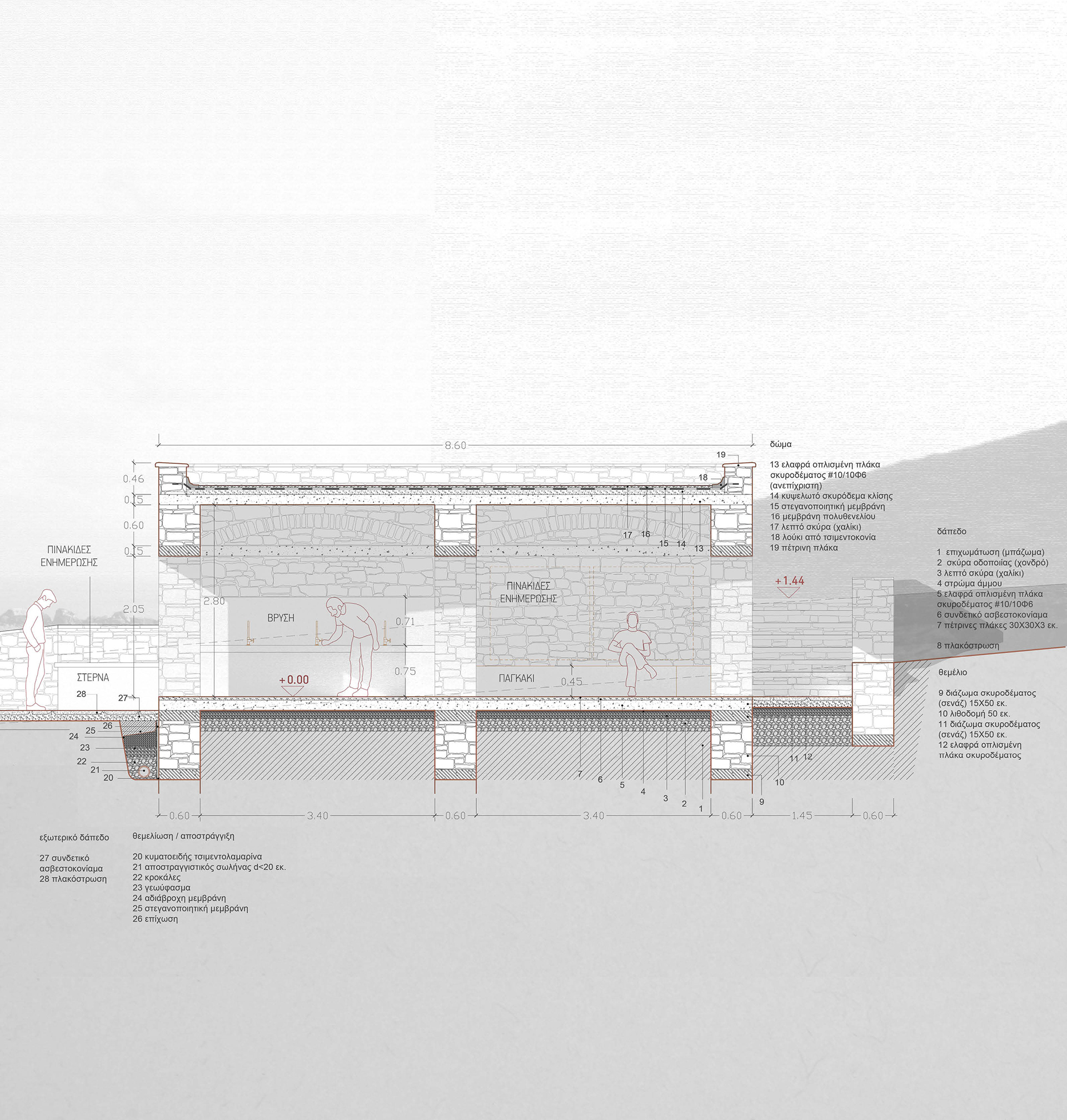
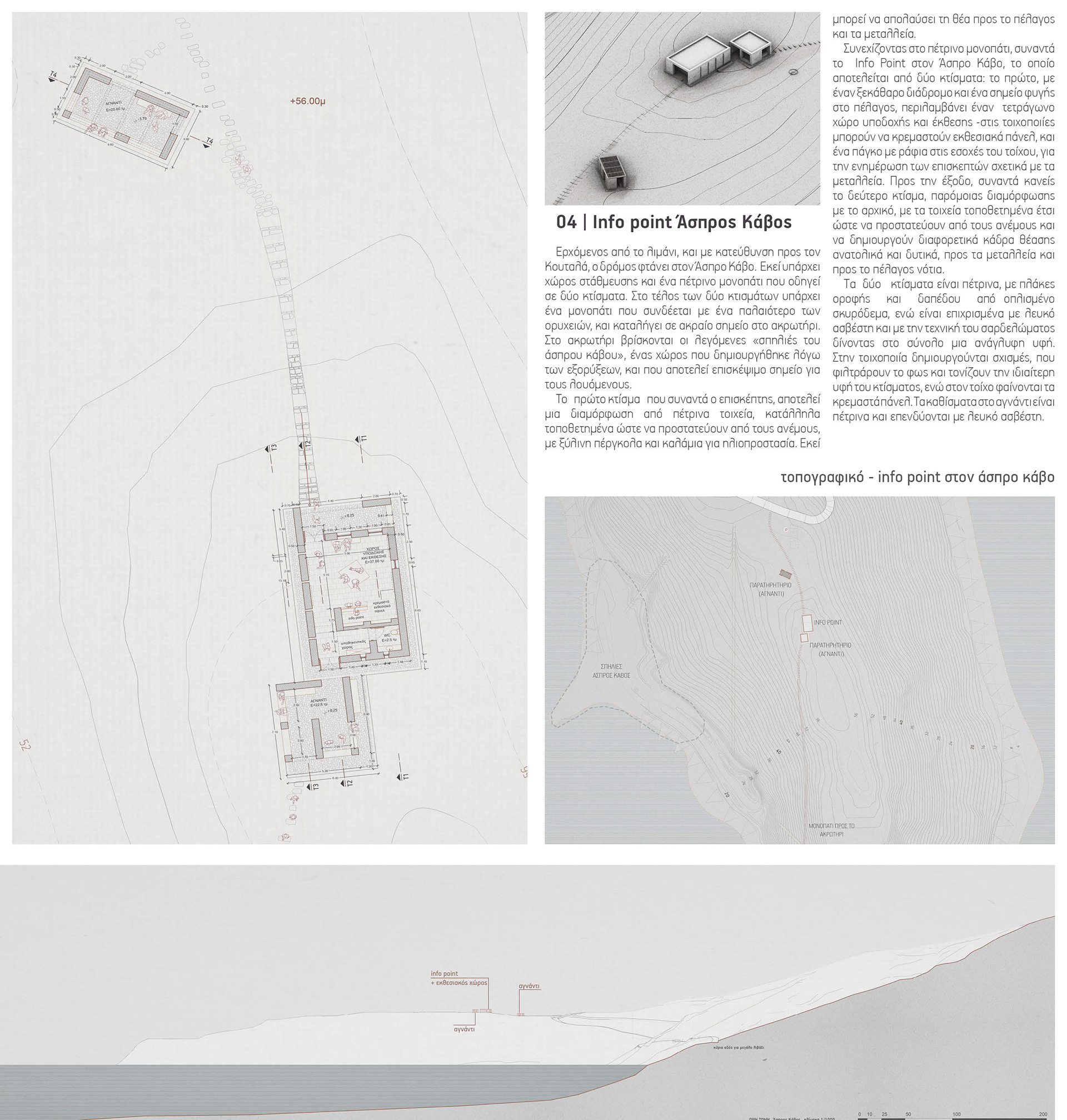
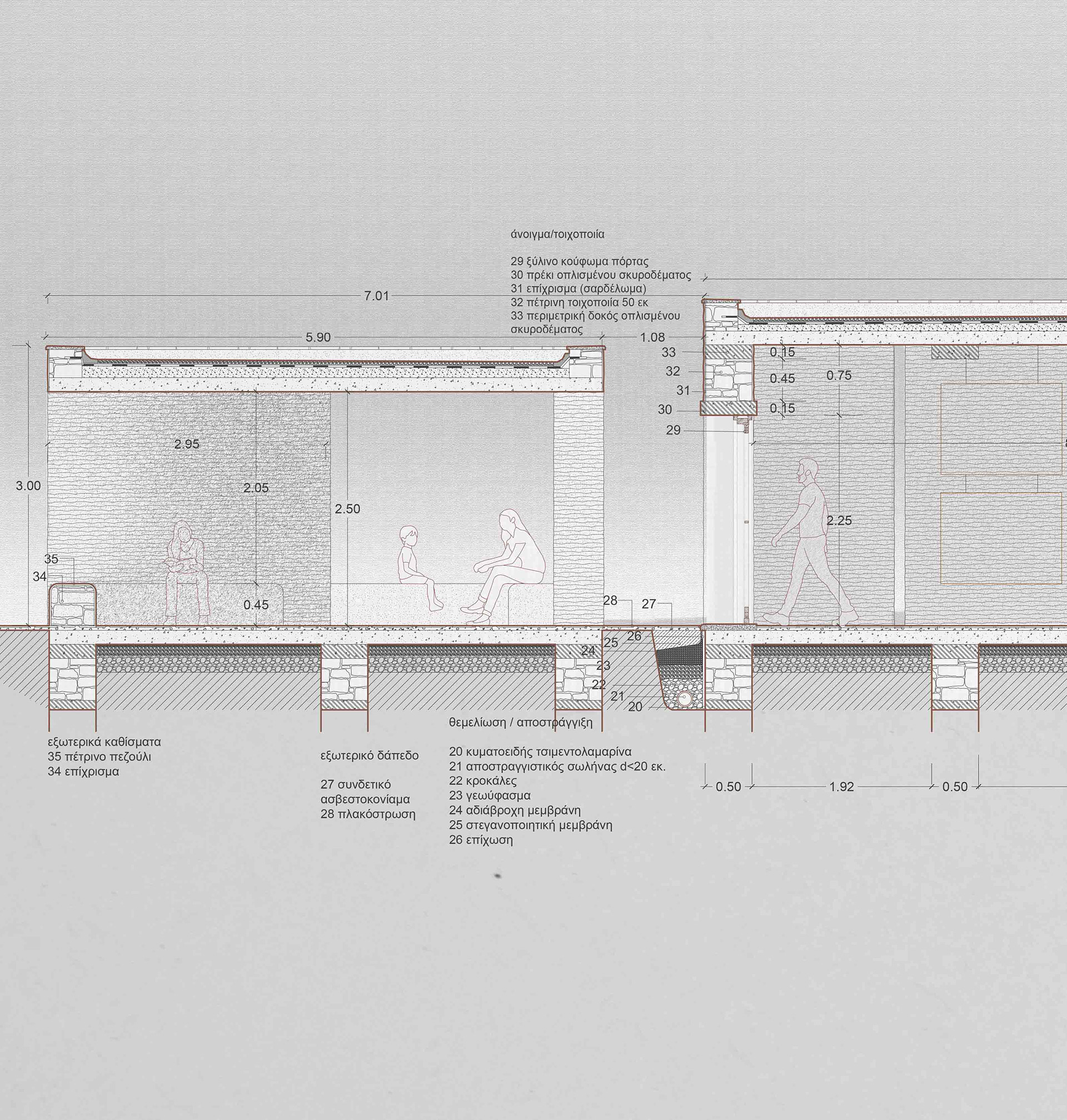
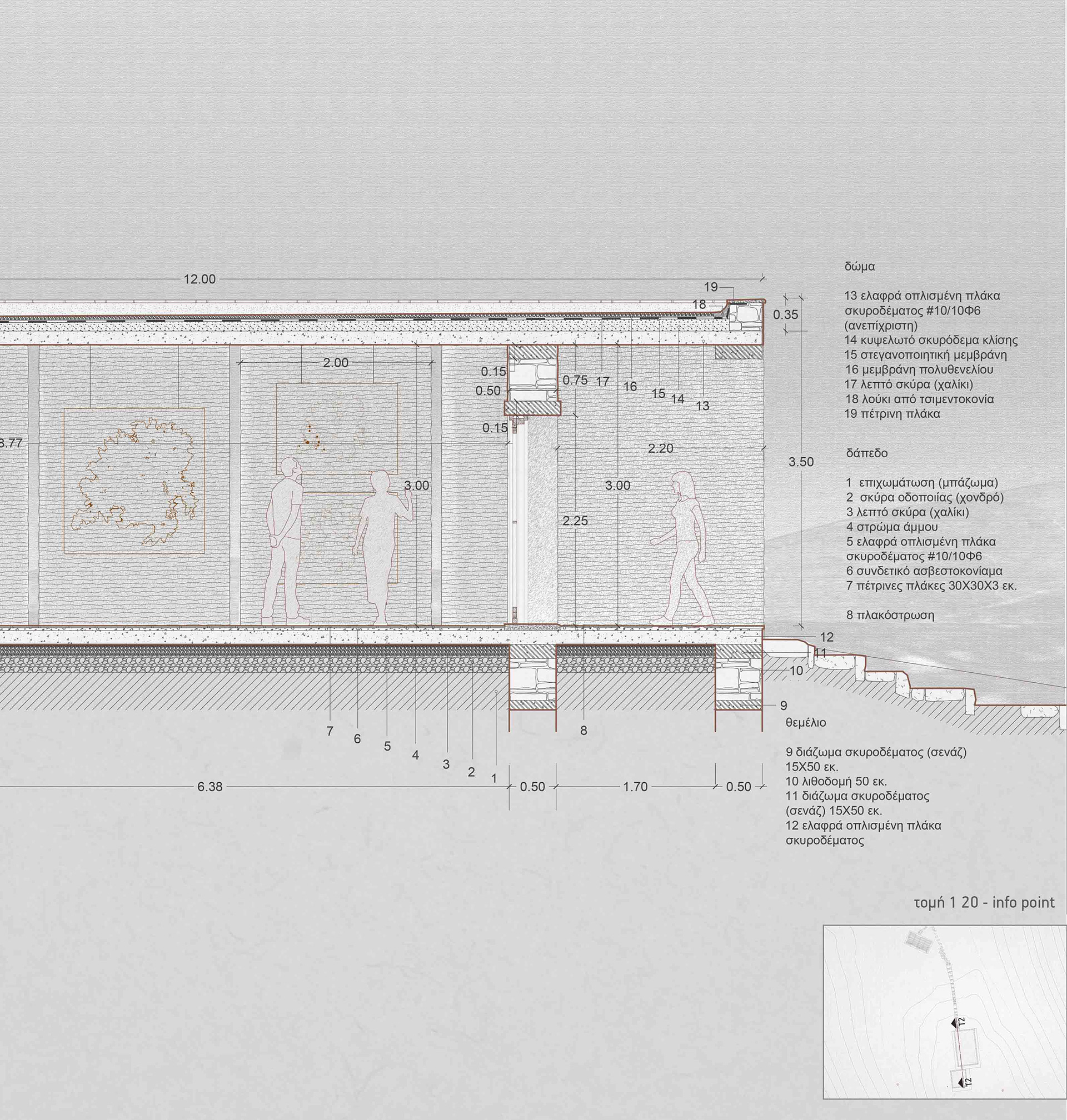
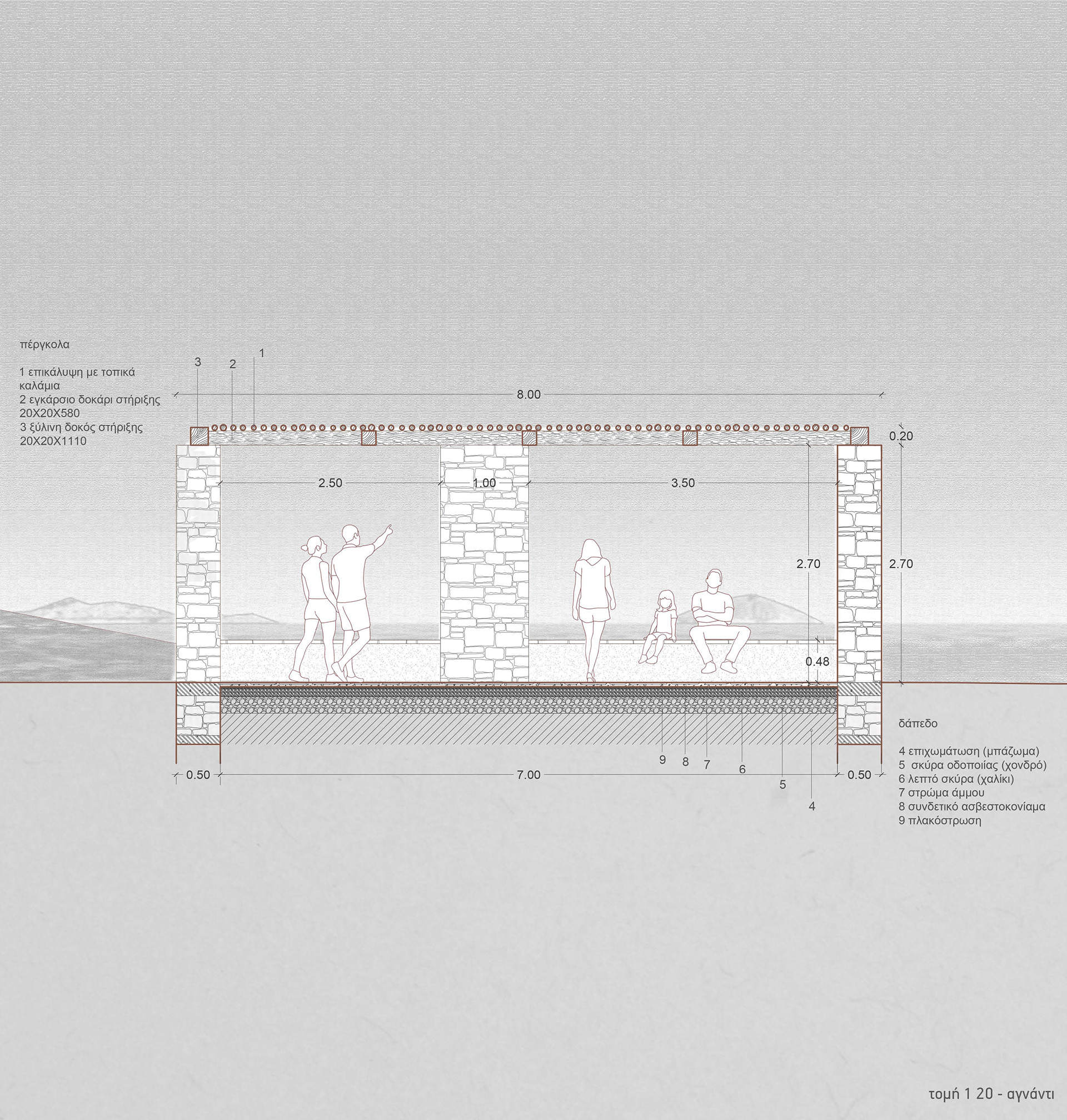
Through these interventions, the project aims to highlight the mining heritage of Serifos while positioning the island as a key node within the broader mining landscape of the Cyclades. Islands such as Kea, Milos, Kythnos, Sifnos, and Kimolos have also based part of their economic and productive history on mining and mineral resources, each with its own distinct character.